
Documentary
2016 USA
82 minutes
Language: English
Subtitles: English
Directors: Phil Borges and Kevin Tomlinson
Website: https://crazywisefilm.com/
Synopsis from producer
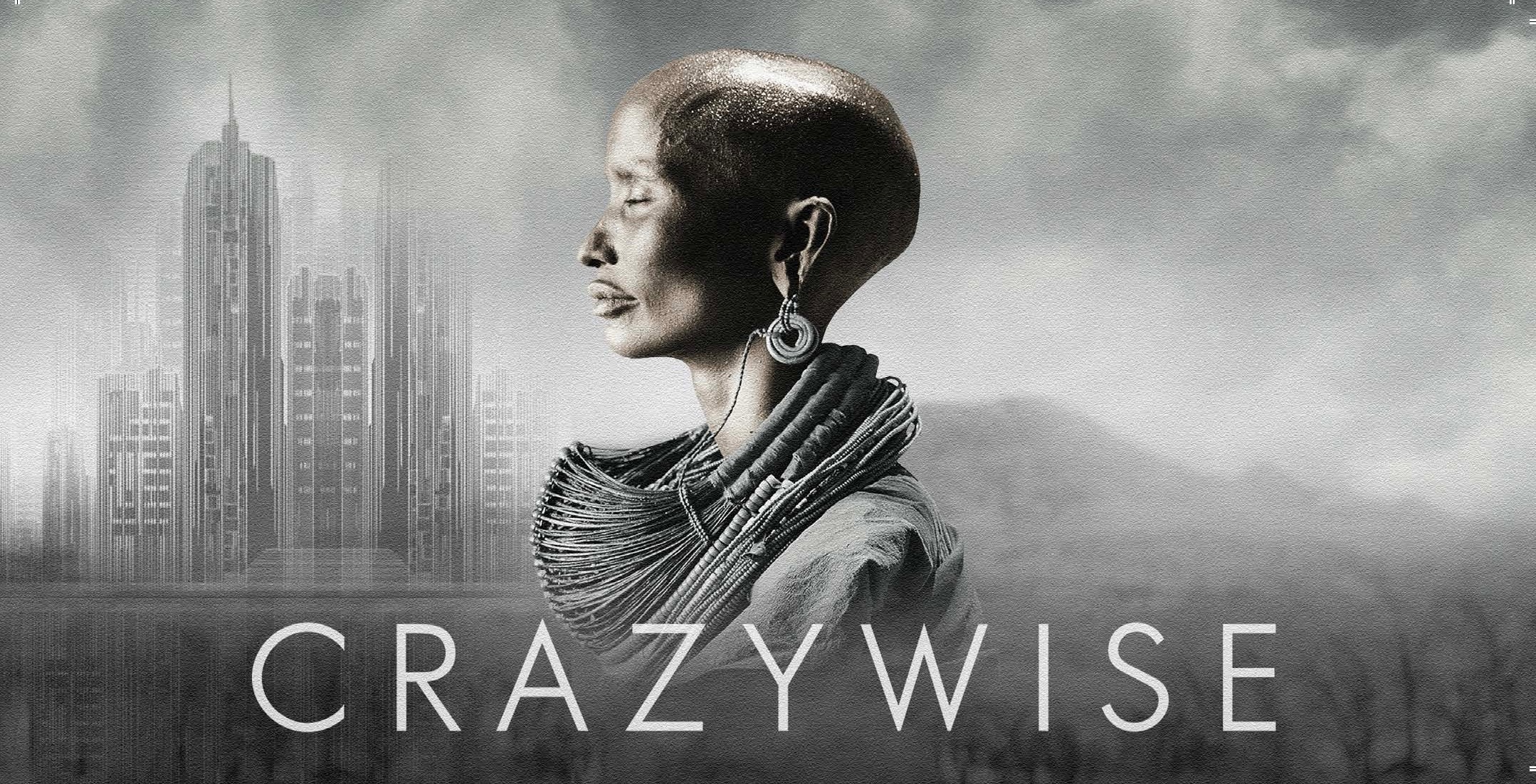
CRAZYWISE follows two young Americans diagnosed with “mental illness.” Adam, 27, suffers devastating side effects from medications before embracing meditation in hopes of recovery. Ekhaya, 32, survives childhood molestation and several suicide attempts before spiritual training to become a traditional South African healer gives her suffering meaning and brings a deeper purpose to her life. CRAZYWISE adds a voice to the growing conversation that believes a psychological crisis can be an opportunity for growth and potentially transformational, not a disease with no cure.
Summary
Filmmaker Phil Borges set out to explore the right of Indigenous peoples to preserve their cultural and spiritual traditions. During his travels across diverse communities, he discovered a striking contrast: experiences labeled in the West as severe mental illness are often understood in shamanic cultures as meaningful and even valuable—sometimes as signs of spiritual sensitivity or connection.
The documentary follows Adam and Ekhaya over several years, two young people in the United States diagnosed with psychosis and schizophrenia. Alongside their stories, the film presents perspectives from other cultures where similar experiences are interpreted not as pathology, but as forms of contact with a spiritual dimension. Interwoven throughout are interviews with prominent critics of mainstream psychiatry—including Robert Whitaker, Gabor Maté, and Allen Frances—who question its tendency to pathologize fundamental aspects of human experience, as well as the scientific grounding of its diagnoses and treatments.
At its core, the film offers a powerful social critique, suggesting that Western society itself may be deeply unwell. To tell someone that the voices they hear are meaningless, or that their perceptions cannot be trusted, risks stripping them of their sense of self. The ability to create meaning is a fundamental human need; when that is denied, individuals are left disconnected not only from their experiences, but from their own humanity.
Rather than asking what is wrong with those who experience reality as chaotic, the film poses a more unsettling question: what is wrong with a society that responds to such individuals with rejection? By listening to those labeled “mad,” the film suggests, we may instead encounter insight and sensitivity—individuals who perceive something essential and remind us of the importance of connection and compassion.
Both Adam and Ekhaya are offered extensive medication and told they suffer from chronic disorders. The consequences are profound and damaging: each, in different ways, loses touch with family, community, and themselves. Adam eventually becomes homeless, while Ekhaya is placed in a shelter—both left to endure what they describe as unbearable pain.
As they begin to question and break away from the dominant psychiatric narrative, the film follows their gradual return to meaningful relationships and a sense of self-acceptance. By the end, their need for understanding and recovery feels so basic, so deeply human, that it becomes almost inconceivable that they were left to suffer for so long.