
Documentary
2017 Norway
88 minutes
Language: Norwegian
Subtitles: English
Director: Anniken Hoel
More info: https://m.imdb.com/it/title/tt6151226/
Summary from IMDb
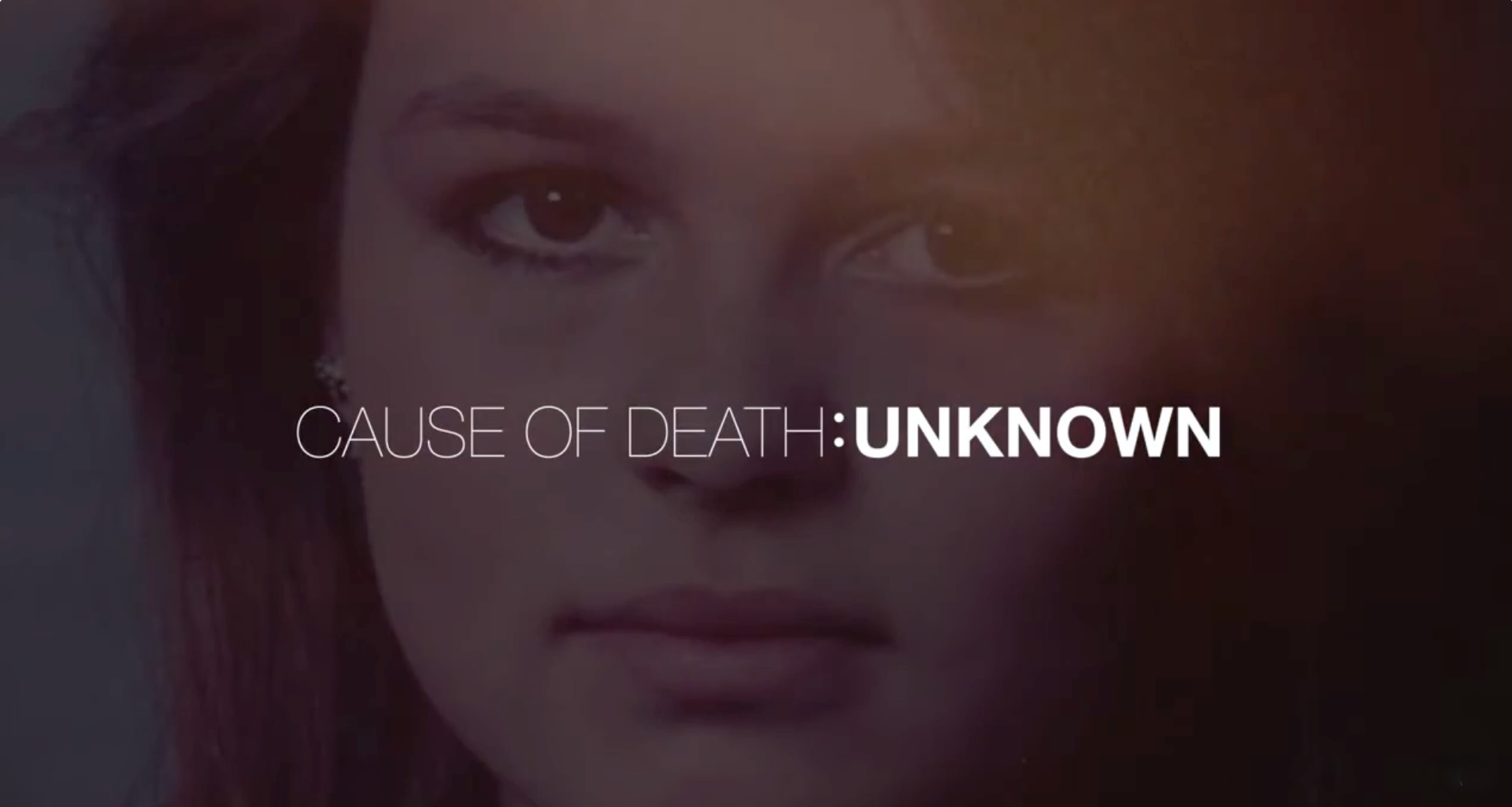
After her sister died suddenly and unexpectedly while being treated with prescription antipsychotics, director Anniken Hoel begins a global investigation into the crimes of the pharmaceutical industry, the unheralded growth of psychiatric diagnoses and medication, and the corruption of the government regulatory agencies that have failed, repeatedly, to protect us.
Summary
This Norwegian-produced documentary thriller follows filmmaker Anniken Hoel as she investigates the sudden death of her older sister—a journey that unfolds over ten years. At its heart is a powerful portrait of the bond between two sisters, where love, grief, and longing drive Hoel to uncover what she perceives as the cruelty and cynicism of the pharmaceutical industry. Her search takes her across Norway, the EU, the UK, and the United States, where she interviews key figures whose testimonies reveal a reality that feels both shocking and difficult to comprehend.
Patients and doctors alike place their trust in medical research published in respected scientific journals, assuming that national authorities and international regulatory bodies operate independently and rigorously. However, Hoel’s investigation suggests a different picture—one in which the pharmaceutical industry largely regulates itself, occupying influential positions across regulatory systems while also exerting significant political power.
The film raises critical concerns about the scientific basis for drug approval, pointing to short-term studies conducted on small patient groups, where negative findings are often overlooked and positive outcomes emphasized. Side effects—including severe and even fatal consequences—are frequently minimized. While the industry maintains that not all risks can be known at the time of a drug’s release, Hoel questions the human cost of this uncertainty, asking whether anyone has truly accounted for the lives lost following the widespread use of antipsychotic medications. Her question remains unanswered.
What makes the film particularly striking is its ability to present these claims in a way that feels both credible and deeply unsettling. Hoel methodically gathers documents, conducts interviews, and uses the camera with precision—confronting a system she portrays as deeply flawed.
Toward the end, a disturbing archival clip of a lobotomy performed through the eye socket leaves a lasting impression, prompting a haunting question: will future generations look back on today’s psychiatric treatments with the same criticism we now direct at the practices of the past?